


Hashima Island: A Stark Silhouette of Japan's Industrial Past
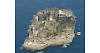
Hashima Island, also known as Gunkanjima (Battleship Island) for its imposing concrete structures, stands as a stark silhouette off the coast of Nagasaki, Japan. Once a bustling island community centered around a rich coal mine, it's now a haunting collection of abandoned buildings, a testament to a bygone era. But what caused this dramatic exodus? Let's delve into the fascinating, yet melancholic, story of Hashima Island's rise and fall.
A Fortified Rock Becomes a Coal Powerhouse (1880s-1950s)
Hashima's story begins modestly. The small, rocky island, devoid of natural resources, offered little reason for habitation. However, in the late 1880s, Mitsubishi, a powerful Japanese conglomerate, saw potential in its underlying coal reserves. The island's isolation became an advantage – they could build a self-contained mining community.
Mitsubishi began construction of a seawall and a massive concrete base to expand the limited island space. Apartment buildings rose skyward, connected by narrow walkways, creating a dense, vertical city. At its peak in 1959, Hashima housed over 5,200 residents, making it the most densely populated place in Japan. Schools, shops, a hospital, and even a cinema catered to the needs of the close-knit community.
Life on Hashima was undoubtedly harsh. Coal mining is a dangerous profession, and the island's isolation meant limited resources and constant vulnerability to the elements. Tales of harsh working conditions and overcrowding paint a picture of a community that thrived on resilience. However, the economic prosperity brought by coal provided stability and a sense of purpose for the residents.
The Shift from Coal to Oil and the Decline of Hashima (1960s-1974)
The seeds of Hashima's decline were sown in the 1960s. The discovery and widespread adoption of oil as a more efficient energy source began to eclipse coal. Japan's coal mines, including Hashima's, faced a shrinking market. The writing was on the wall.
By the early 1970s, the inevitable came knocking. The dwindling coal reserves and the economic unviability of continued operations forced Mitsubishi to announce the closure of the Hashima mine in January 1974. With the lifeblood of the island gone, the community began to unravel.
A Ghost Island Emerges (1974-Present)
The exodus from Hashima was swift. Residents left within a few months, leaving behind their homes and belongings. The island, once teeming with life, fell silent. Nature began to reclaim its dominion, with harsh winds and salty air slowly eroding the concrete structures.
For decades, Hashima remained a ghost island, off-limits due to safety concerns. However, in the 2000s, a renewed interest in industrial heritage emerged. The island's haunting beauty and unique history began to draw tourists. Authorities, recognizing the potential, implemented safety measures and opened controlled access to the island in 2009.
Hashima Island Today: A Poignant Reminder
Today, Hashima Island stands as a poignant reminder of Japan's industrial past. The abandoned buildings, with their peeling paint and shattered windows, offer a glimpse into a bygone era. Tourists come to explore the island, not for leisure, but to understand the story of a community that thrived and then vanished.
Hashima Island's story is a cautionary tale about resource dependence and economic shifts. It also serves as a stark reminder of the human cost of industrial progress. The island's haunting beauty may attract visitors, but beneath the surface lies a story of sacrifice and the impermanence of human endeavors.
-
Travel: If you're ever in Japan and have an interest in industrial heritage, consider a guided tour to Hashima Island. Remember, due to safety concerns, access is controlled.
Hashima Island's story is a powerful one, a testament to human ingenuity, resilience, and ultimately, impermanence. As we move forward in an ever



 Posts


0 Comments